How to Restore Waterproofing to Your Jacket
Keep your outer layers performing their best with these care tips.
Published 9 April 2025
Layering is the key to outdoor comfort. Done right, it helps you stay dry, warm, and protected from the elements.
The perfect adventure outfit isn't one piece—it's a system. Layering is the key to outdoor comfort. Done right, it helps you stay dry, warm, and protected from the elements — without overheating or weighing yourself down.
Whether you're on a weekend day hike or traversing alpine ridgelines in winter, having the right system of layers lets you adapt to changing conditions. This guide walks you through each layer's role and how to build a system that works for your adventures.
Your foundation that wicks moisture away from skin.
Your insulation that traps body heat.
Your shield against the elements.
Remove or add layers as weather changes and your activity level fluctuates.
This adaptability is key to outdoor comfort.
Or read on to learn more about each layer...
This is the layer closest to your skin. Its primary job is to move sweat away from your body so you stay dry — not just for comfort, but to prevent getting chilled when you stop moving. Think of it as your second skin — one that's far smarter than your actual skin when you're in the outdoors.
A quality base layer works through "wicking" — moving sweat to the outer surface of the fabric where it can evaporate, rather than staying trapped against your skin. This crucial process is what keeps you comfortable during intense activity and prevents dangerous cooling when you stop moving.
Merino wool is naturally odour-resistant and thermoregulating, while synthetic fabrics dry quickly and often cost less. The one material to absolutely avoid is cotton — it absorbs moisture like a sponge and holds onto it, cooling your body when you need warmth the most. There's a reason outdoor enthusiasts say "cotton kills" when discussing base layers.
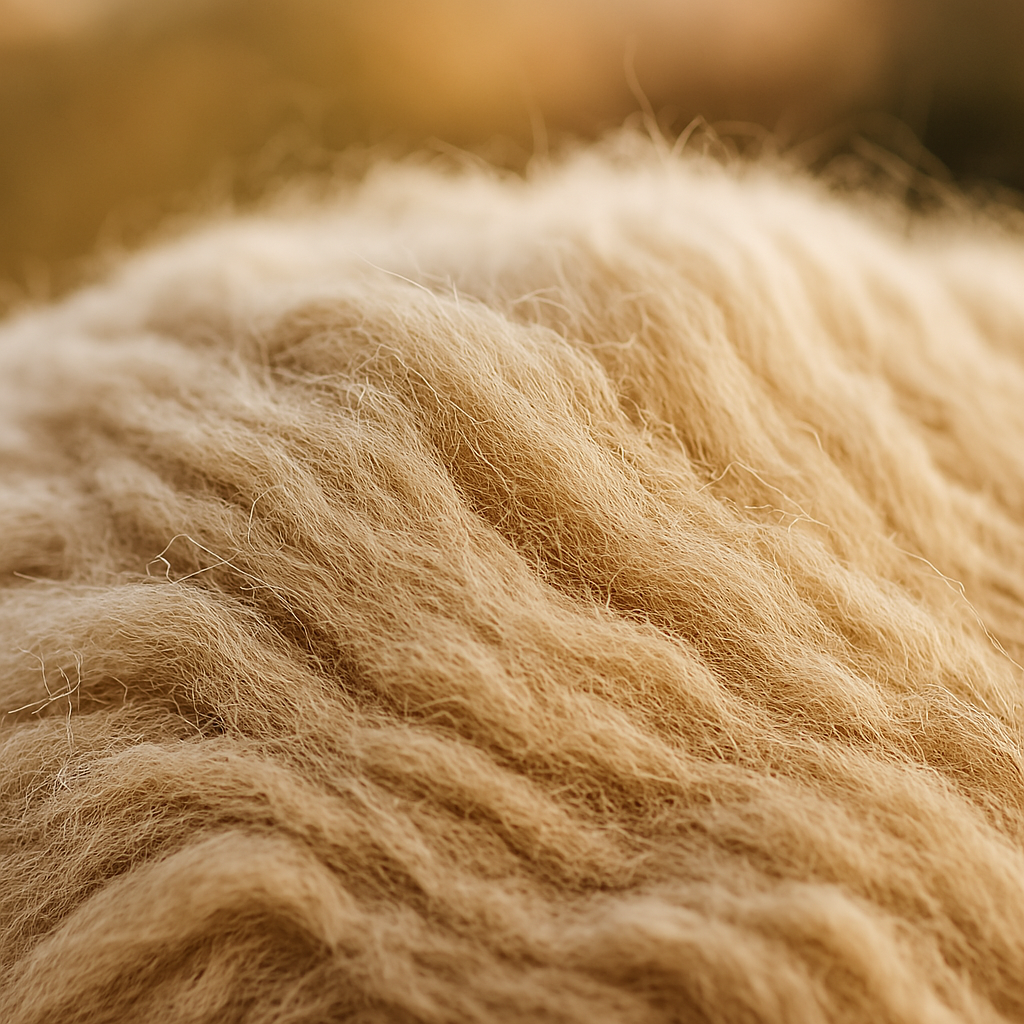 Natural Fiber
Kathmandu's merino wool base layers regulate temperature effectively in all outdoor conditions. The natural fiber structure wicks moisture while retaining warmth even when damp. Merino's antimicrobial properties prevent odor during multi-day adventures without washing—a significant advantage for hiking and trekking. Our KMDMerino blends enhance durability in high-wear areas without sacrificing the exceptional comfort that makes merino ideal for extended backcountry trips.
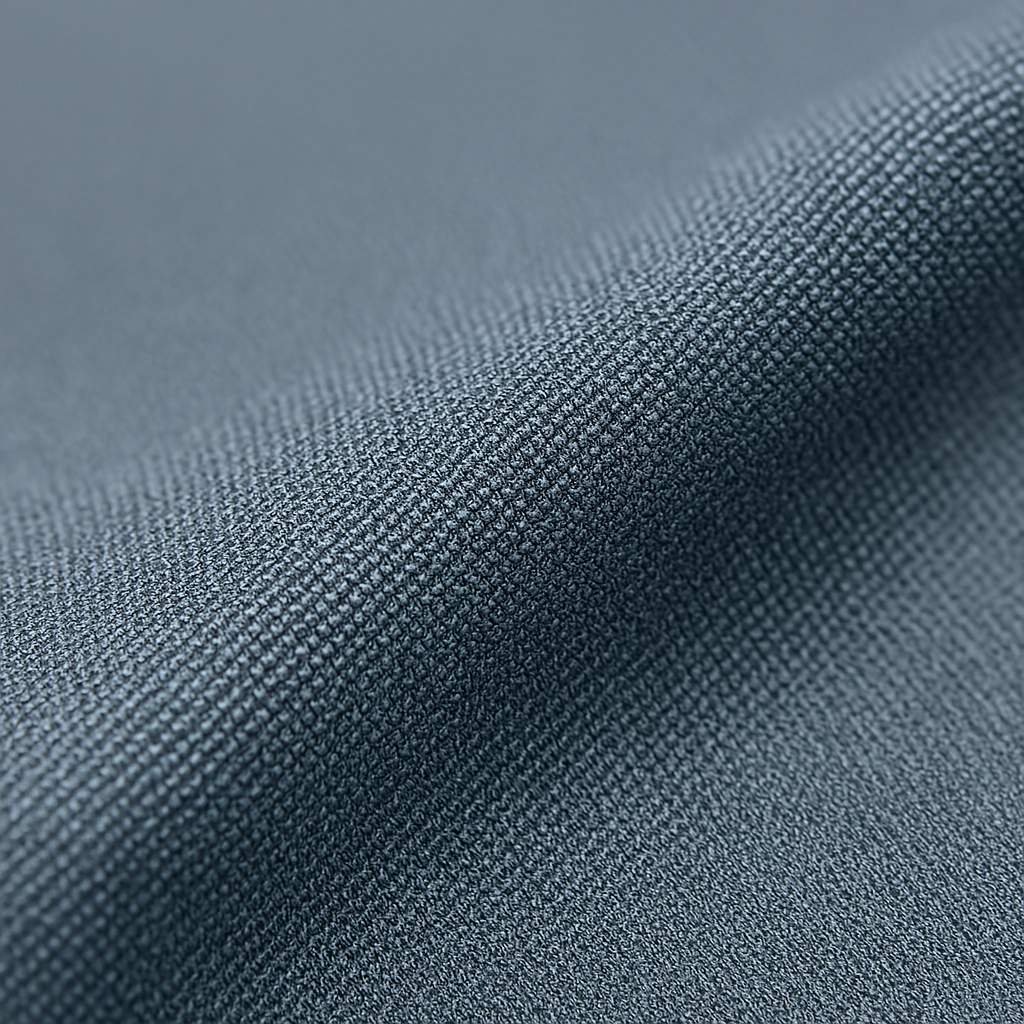 Performance
Kathmandu's synthetic base layers excel at moisture management during high-intensity outdoor activities. These engineered fabrics quickly move sweat away from skin and dry faster than natural fibers. Their outstanding durability withstands repeated washing and heavy use—perfect for trail running, mountain biking, and demanding hikes. Cost-effective and reliable, synthetic base layers provide exceptional value for outdoor enthusiasts who prioritize performance in challenging conditions.
| Performance Metric | Merino Wool | Synthetic |
|---|---|---|
| Moisture Wicking | ★★★★☆ | ★★★★★ |
| Odor Resistance | ★★★★★ | ★★★☆☆ |
| Durability | ★★★☆☆ | ★★★★★ |
| Temperature Regulation | ★★★★★ | ★★★☆☆ |
 Design Team
"On a base layer, the small details make huge differences, so we really put in a lot of work. The stitch patterns change across different body zones to enhance mobility, and to provide extra support in high-wear areas. We sweat the small stuff so you... well, so you sweat less!"
The mid layer is your thermal workhorse, trapping body heat in air pockets to create warmth while still allowing moisture to escape. This critical layer is where you balance warmth against weight and bulk, adapting to both your activity level and expected conditions.
Think about how a thermos keeps your coffee hot — with an insulating layer that prevents heat transfer. Your mid layer does exactly the same thing for your body, creating a microclimate that maintains your core temperature regardless of what Mother Nature throws at you.
From ultralight down to technical fleece to synthetic fill, your mid layer choice becomes increasingly personal based on your activity style, metabolism, and the environments you prefer. In extreme cold, you might even use multiple mid layers for maximum adaptability — a technique used by mountaineers and cold-weather adventurers for decades.
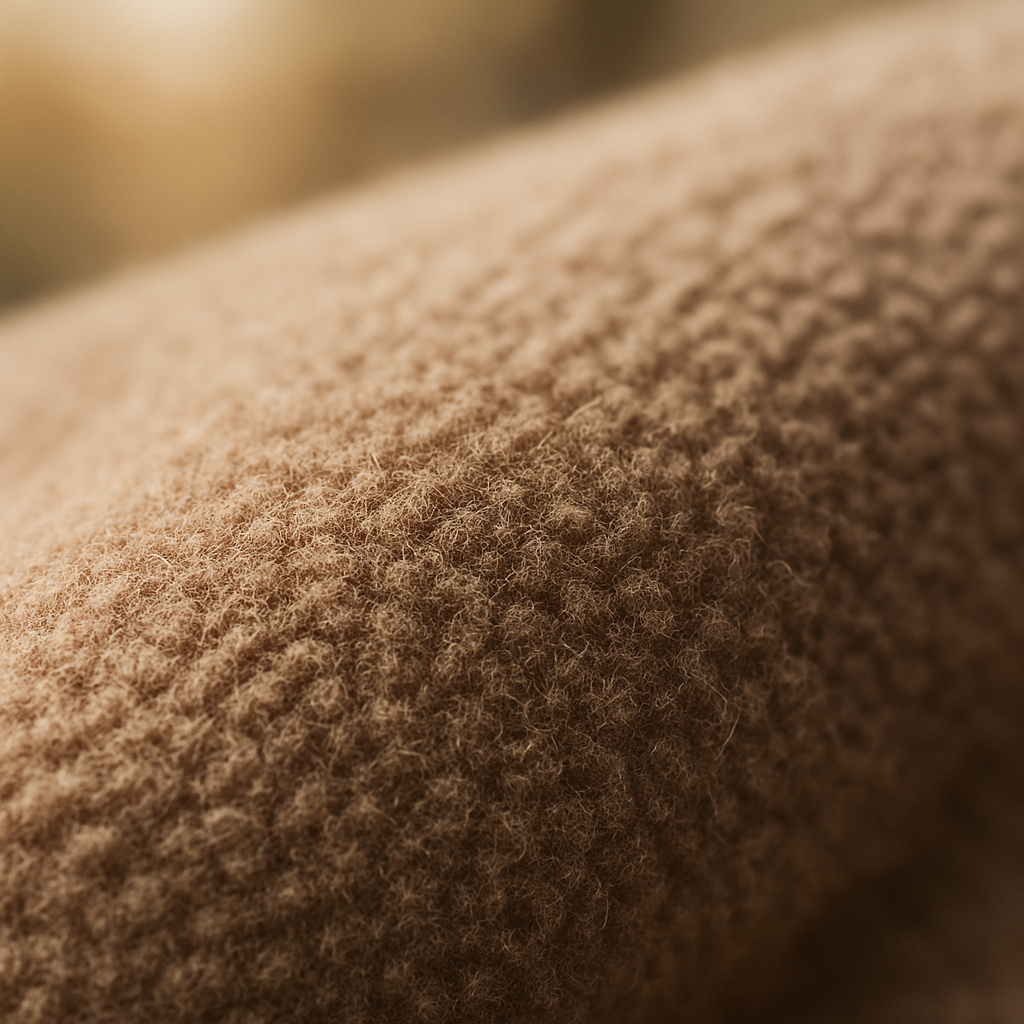 Versatile
Kathmandu's fleece mid layers balance breathability with efficient insulation for active outdoor pursuits. Their brushed fiber construction creates air pockets that trap body heat while allowing excess warmth to escape during exercise. Modern technical fleeces use grid patterns to improve thermal efficiency while reducing bulk—ideal for hiking and climbing. These versatile layers perform well even when damp, providing reliable insulation in unpredictable mountain conditions.
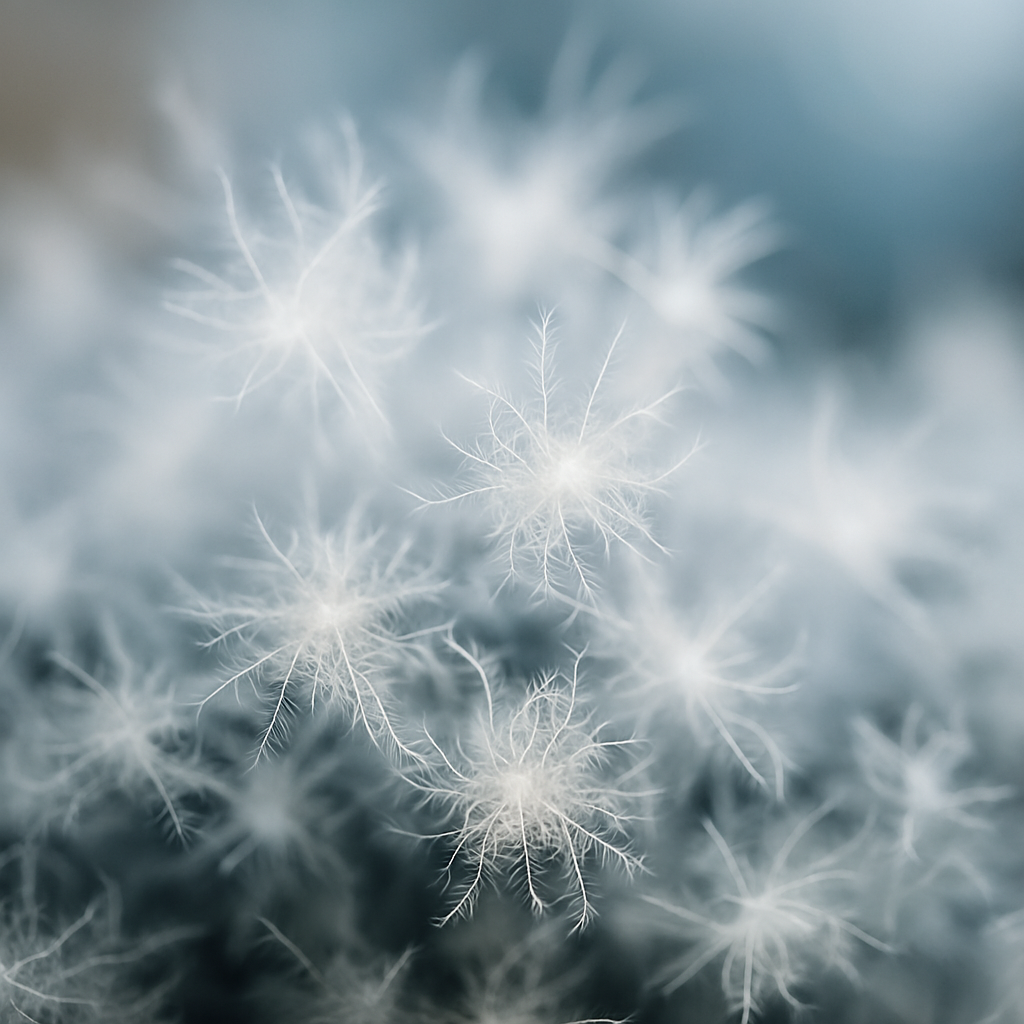 Warmth Champ
Kathmandu's responsibly-sourced down jackets deliver unmatched warmth-to-weight ratio for cold weather adventures. Each down cluster creates exceptional loft that traps maximum heat with minimal weight—perfect for winter hiking and camping where pack space is limited. Our down meets strict animal welfare standards, and advanced hydrophobic treatments maintain performance in damp conditions, extending versatility in variable alpine environments.
 All-Weather
Kathmandu's synthetic insulated jackets provide reliable warmth in unpredictable and wet outdoor conditions. Unlike down, these engineered fibers maintain insulating properties when damp—essential for hiking and trekking in rainy environments. They deliver consistent heat distribution without cold spots and dry quickly after exposure to moisture. Our latest designs incorporate recycled materials, making them the sustainable choice for environmentally conscious adventurers facing variable weather.
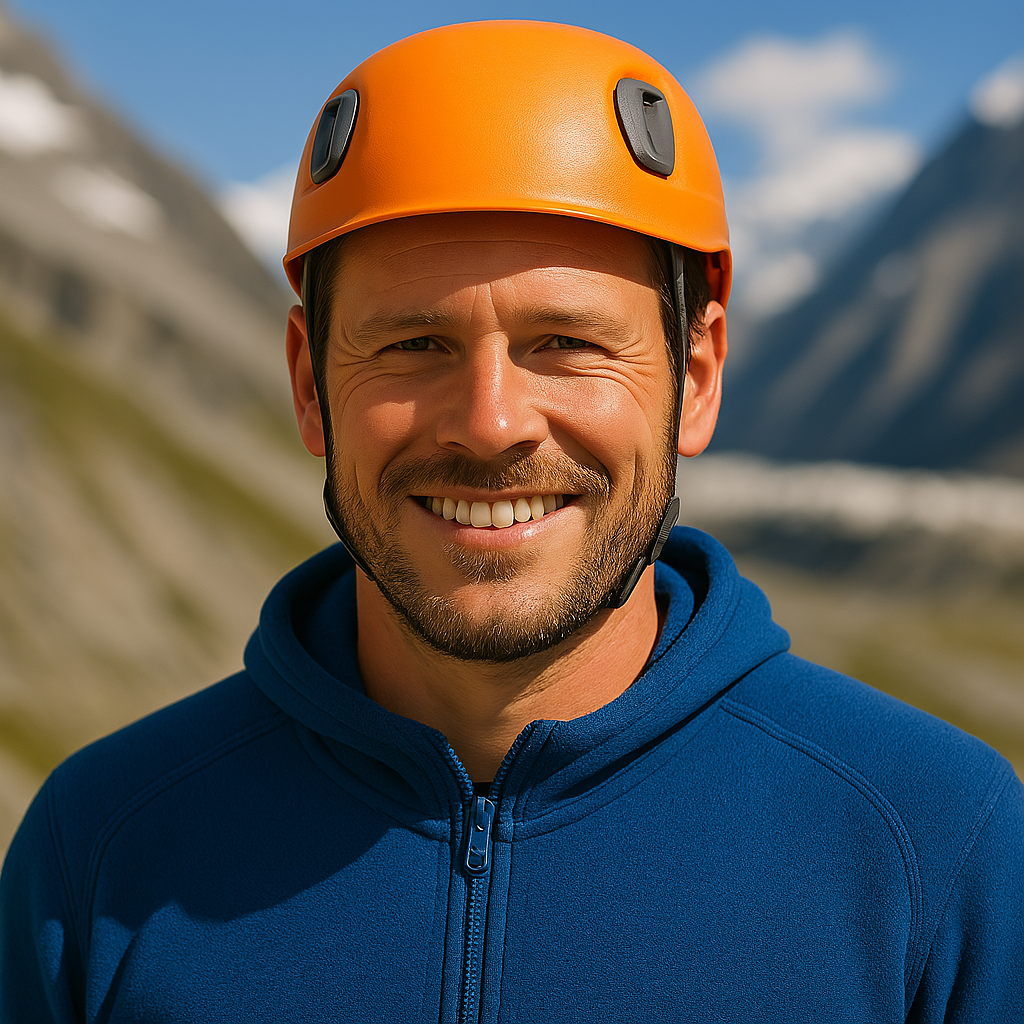 Alpine Guide
"I use different mid layers depending on conditions and exertion levels. For high-output climbing, I rely on a thin grid fleece that breathes exceptionally well. For belaying or summit breaks, I throw on a lightweight down jacket for immediate warmth. The key is building a system that adapts as quickly as your body and the mountain weather do."
Your outer layer is the crucial barrier between you and the elements, designed to shield you from wind, rain, and snow while allowing inner moisture to escape. This technical layer prevents heat loss from wind (windproof) and keeps external moisture out (waterproof) while letting body vapor dissipate (breathable).
Wind is often the silent thief of body heat in the outdoors. Even mild breezes dramatically accelerate heat loss through convection, which is why proper wind protection makes a substantial difference in comfort even on clear days. Pair this with effective moisture management, and you have a shield that works in harmony with your inner layers.
The ideal outer layer balances sometimes competing functions based on your specific activity and conditions. From fully-featured hardshells for alpine environments to ultralight packable options for emergency protection, your choice creates the final defensive barrier in your personal climate control system.
 All-Weather
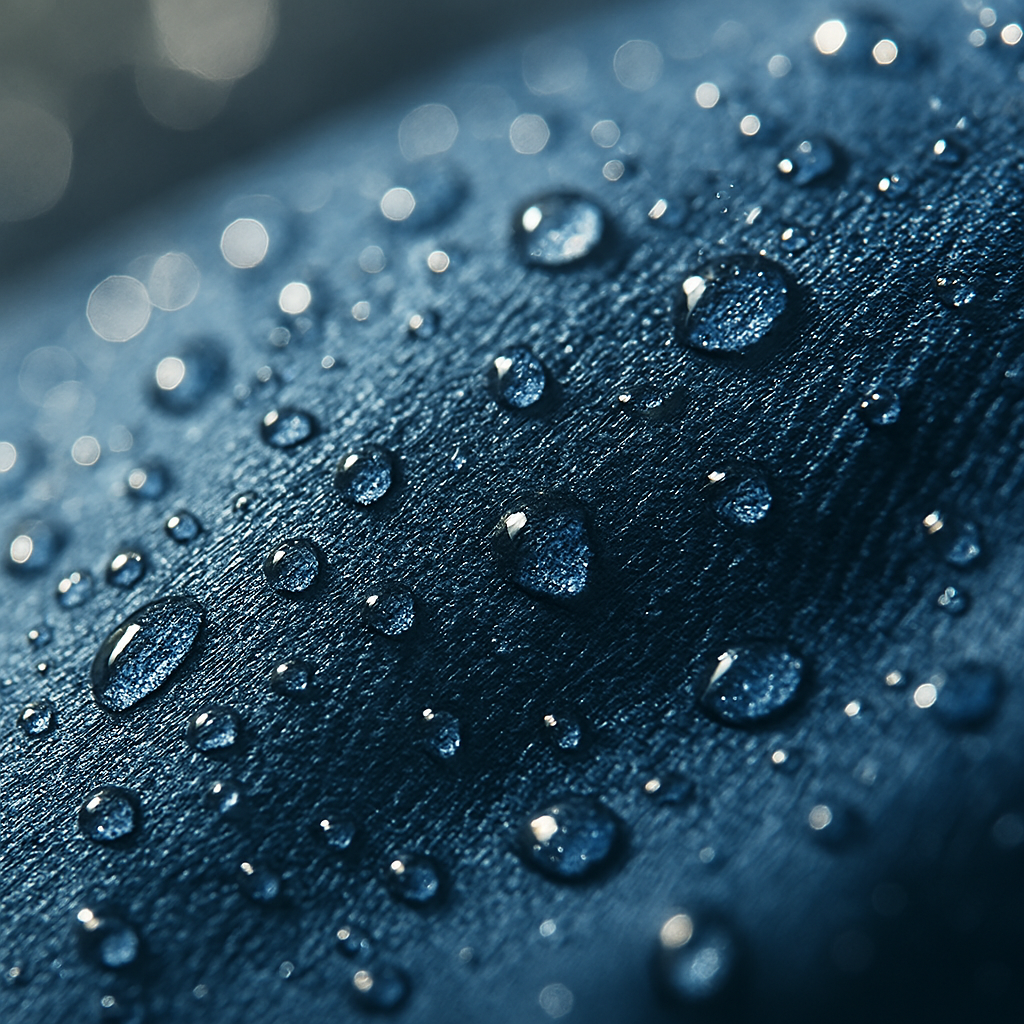
Kathmandu's hardshell jackets provide maximum protection in extreme alpine conditions through advanced waterproof-breathable technology. Their three-layer construction combines a durable face fabric, waterproof membrane, and protective inner layer to block rain, snow, and wind while allowing sweat vapor to escape. Fully-taped seams and water-resistant zippers create a complete protective system for mountaineering and winter hiking where exposure to harsh elements is unavoidable.
 Active Use
Kathmandu's softshell jackets balance weather resistance with breathability for high-output mountain activities. Their stretchy, abrasion-resistant fabric provides excellent mobility during climbing and hiking, with effective wind resistance and light water repellency. These versatile outer layers excel during aerobic outdoor pursuits where internal moisture management is as critical as protection from elements. The durable construction withstands contact with rock and equipment encountered during technical adventures.
 Packable
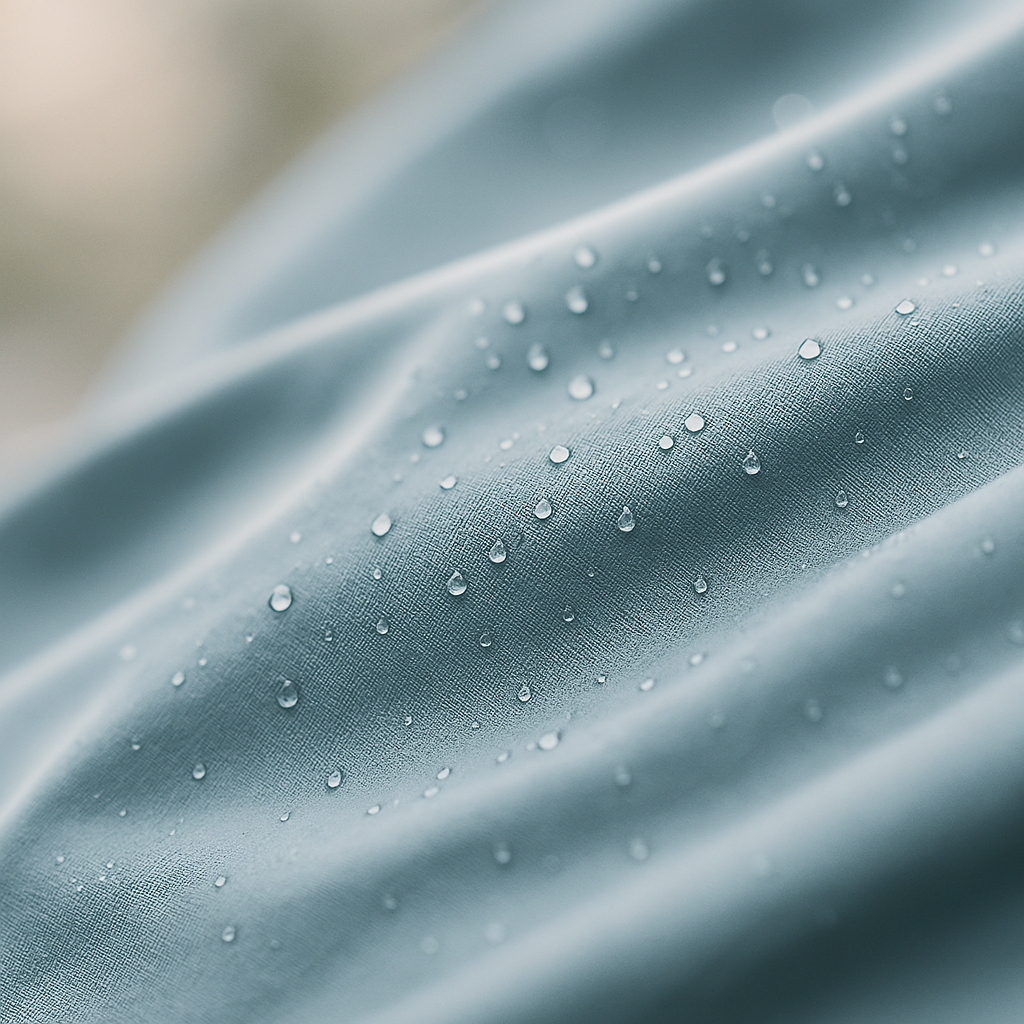
Kathmandu's rain shells deliver essential waterproof protection in an ultralight, packable format ideal for day hiking and travel. The 2-2.5 layer construction balances weight savings with reliable rain protection, using strategic seam taping to keep you dry during unexpected downpours. These compact jackets compress to minimal size in your pack, serving as perfect emergency weather protection for all outdoor activities where changing conditions are possible.
Waterproof ratings measure how much water pressure a fabric can withstand before leaking, expressed in millimeters (mm). Higher numbers indicate greater water resistance.
| Waterproof Rating | Performance Level | Best For |
|---|---|---|
| 5,000mm | Light Resistance | Light rain, dry snow, brief showers |
| 10,000mm | Moderate Protection | Moderate rain, average snow, typical outdoor use |
| 20,000mm | High Protection | Heavy rain, wet snow, sustained precipitation |
| 30,000mm+ | Extreme Protection | Torrential downpours, extreme conditions, alpine use |
 Sustainability Team
Our newest outer shells feature recycled materials and PFC-free DWR treatments that maintain performance while reducing environmental impact. By choosing fabrics and manufacturing processes that minimize resource consumption and chemical use, we're creating technical gear that's better for the planet without compromising the protection you need.
Don't forget your bottom half. Layering works the same here: a wicking base, optional thermal tights, and a protective shell like softshell trousers or waterproof pants. For your feet, choose socks made from merino or synthetic blends to avoid blisters and retain warmth. Select footwear suited for terrain, weather, and load — from waterproof boots for snow to lightweight shoes for fast missions.
The little things can make a big difference. A beanie or headband traps heat; gloves keep your hands functional; and a neck gaiter can serve as sun protection, wind block, or even a makeshift face mask. Sunglasses and sunscreen are crucial year-round — not just in summer. Pack what makes sense for your trip and consider the comfort value of thoughtful extras.
 Staff Expert
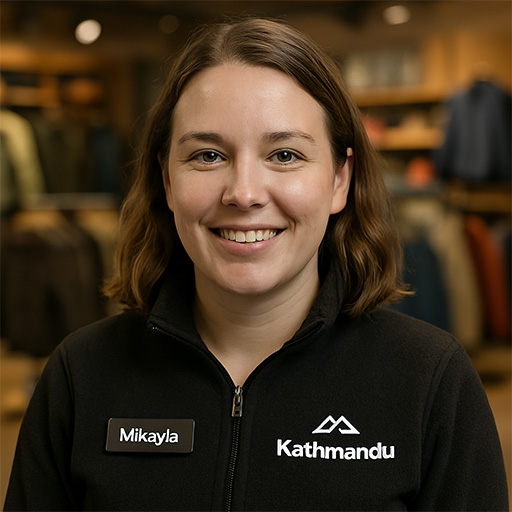
"I always recommend trying your layers on together, not just separately. You'd be surprised how different a jacket feels once there's a fleece underneath."
Every outdoor adventure has unique conditions. Use this interactive tool to see how different layer combinations work in various temperatures and weather conditions.
Our experts are available online or in-store for personalized advice. Always check weather forecasts before heading outdoors.
You've completed Kathmandu's complete guide to layering for the outdoors. You now understand the science and strategy behind staying comfortable in any conditions—knowledge that will enhance every adventure.